People’s Guide to the Cthulhu Mythos: Cosmic Horror, Lovecraft, Weird Fiction
People’s Guide to the Cthulhu Mythos is a long-running podcast exploring cosmic horror, weird fiction, and the strange worlds inspired by H.P. Lovecraft and his contemporaries. Hosted by DB Spitzer with co-hosts Farmer Dave and Aunt Gore, the show dives into myth, monsters, movies, and the legacy of the Mythos with humor and insight. Join us for our audiobook episodes. Episodes drop weekly.
Listen on:








Episodes
Monday Nov 05, 2018
Monday Nov 05, 2018
Welcome to readings 90-106
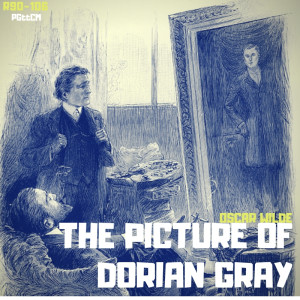
The Picture of Dorian Gray is a Gothic and philosophical novel by Oscar Wilde, first published complete in the July 1890 issue of Lippincott's Monthly Magazine.[1][2] Fearing the story was indecent, the magazine's editor without Wilde's knowledge deleted roughly five hundred words before publication. Despite that censorship, The Picture of Dorian Gray offended the moral sensibilities of British book reviewers, some of whom said that Oscar Wilde merited prosecution for violating the laws guarding the public morality. In response, Wilde aggressively defended his novel and art in correspondence with the British press, although he personally made excisions of some of the most controversial material when revising and lengthening the story for book publication the following year.
This episode is brought to you by Found Item Clothing dot com and bunny slippers dot com
Subscribe to PGttCM with DB Spitzer and Sara Fee wherever you subscribe to podcasts, we use podbean and applepodcasts
Check out our new website over at pgttcm.com!
Check out new PGttCM merch over at PGttCM.threadless.com
Follow on twitter, facebook, and instagram at PGttCM and youtube at “People’s Guide to the Cthulhu Mythos”
Edited by Daniel Spitzer
Music by Kevin McLeod
The Chamber, Oppressive Gloom
Help support the show by going to PayPal.me/pgttcm and donate a buck or 5, or pgttcm.podbean.com and become a patron.

Sunday Nov 04, 2018
Sunday Nov 04, 2018
This episode is brought to you by Found Item Clothing dot com and bunny slippers dot com
Subscribe to PGttCM with DB Spitzer and Sara Fee wherever you subscribe to podcasts, we use podbean and applepodcasts
Check out our new website over at WWW.PGttCM.com!
Check out new PGttCM merch over at PGttCM.threadless.com
Follow on twitter, facebook, and instagram at PGttCM and youtube at “People’s Guide to the Cthulhu Mythos”
Written and Edited by Daniel Spitzer
Audio by Sara Fee and Daniel Spitzer
Music by Kevin McLeod
The Chamber, Oppressive Gloom, The Sky of our Ancestors
Help the show by sharing/rating/liking or 5 star giving wherever you listen to or rate podcasts
Support the show by hitting the patron button at PGttCM.podbean.com or by going to PayPal.me/pgttcm.
Buy a cool shirt from pgttcm.threadless.com.
PGTTCM is part of the dark myths collective. Learn more at Dark Myths.ORG
A Dreamer's Tales is the fifth book by Irish fantasy writer Lord Dunsany, considered a major influence on the work of J. R. R. Tolkien, H. P. Lovecraft, Ursula K. Le Guin, and others. It was first published in hardcover by George Allen & Sons in September 1910
R84: Preface
Poltarnees, Beholder of Ocean
Blagdaross
R85: The Madness of Andelsprutz
Where the Tides Ebb and Flow
Bethmoora
R86: Idle Days on the Yann
R87: The Sword and the Idol
The Idle City
The Hashish Man
R88: Poor Old Bill
The Beggars
Carcassonne
R89: In Zaccarath
The Field
The Day of the Poll
The Unhappy Body
Saturday Nov 03, 2018
Saturday Nov 03, 2018
This episode is brought to you by Found Item Clothing dot com and bunny slippers dot com
Subscribe to PGttCM with DB Spitzer and Sara Fee wherever you subscribe to podcasts, we use podbean and applepodcasts
Check out our new website over at WWW.PGttCM.com!
Check out new PGttCM merch over at PGttCM.threadless.com
Follow on twitter, facebook, and instagram at PGttCM and youtube at “People’s Guide to the Cthulhu Mythos”
Written and Edited by Daniel Spitzer
Audio by Sara Fee and Daniel Spitzer
Music by Kevin McLeod
The Chamber, Oppressive Gloom, The Sky of our Ancestors
Help the show by sharing/rating/liking or 5 star giving wherever you listen to or rate podcasts
Support the show by hitting the patron button at PGttCM.podbean.com or by going to PayPal.me/pgttcm.
Buy a cool shirt from pgttcm.threadless.com.
PGTTCM is part of the dark myths collective. Learn more at Dark Myths.ORG
A Dreamer's Tales is the fifth book by Irish fantasy writer Lord Dunsany, considered a major influence on the work of J. R. R. Tolkien, H. P. Lovecraft, Ursula K. Le Guin, and others. It was first published in hardcover by George Allen & Sons in September 1910
R84: Preface
Poltarnees, Beholder of Ocean
Blagdaross
R85: The Madness of Andelsprutz
Where the Tides Ebb and Flow
Bethmoora
R86: Idle Days on the Yann
R87: The Sword and the Idol
The Idle City
The Hashish Man
R88: Poor Old Bill
The Beggars
Carcassonne
R89: In Zaccarath
The Field
The Day of the Poll
The Unhappy Body
Saturday Nov 03, 2018
Saturday Nov 03, 2018
The Picture of Dorian Gray is a Gothic and philosophical novel by Oscar Wilde, first published complete in the July 1890 issue of Lippincott's Monthly Magazine. Fearing the story was indecent, the magazine's editor without Wilde's knowledge deleted roughly five hundred words before publication. Despite that censorship, The Picture of Dorian Gray offended the moral sensibilities of British book reviewers, some of whom said that Oscar Wilde merited prosecution for violating the laws guarding the public morality. In response, Wilde aggressively defended his novel and art in correspondence with the British press, although he personally made excisions of some of the most controversial material when revising and lengthening the story for book publication the following year.
This episode is brought to you by Found Item Clothing dot com and bunny slippers dot com
Subscribe to PGttCM with DB Spitzer and Sara Fee wherever you subscribe to podcasts, we use podbean and applepodcasts
Check out our new website over at pgttcm.com!
Check out new PGttCM merch over at PGttCM.threadless.com
Follow on twitter, facebook, and instagram at PGttCMand youtube at “People’s Guide to the Cthulhu Mythos”
Edited by Daniel Spitzer
Music by Kevin McLeod
The Chamber, Oppressive Gloom
10:00
Friday Nov 02, 2018
Friday Nov 02, 2018
This episode is brought to you by Found Item Clothing dot com and bunny slippers dot com
Subscribe to PGttCM with DB Spitzer and Sara Fee wherever you subscribe to podcasts, we use podbean and applepodcasts
Check out our new website over at WWW.PGttCM.com!
Check out new PGttCM merch over at PGttCM.threadless.com
Follow on twitter, facebook, and instagram at PGttCM and youtube at “People’s Guide to the Cthulhu Mythos”
Written and Edited by Daniel Spitzer
Audio by Sara Fee and Daniel Spitzer
Music by Kevin McLeod
The Chamber, Oppressive Gloom, The Sky of our Ancestors
Help the show by sharing/rating/liking or 5 star giving wherever you listen to or rate podcasts
Support the show by hitting the patron button at PGttCM.podbean.com or by going to PayPal.me/pgttcm.
Buy a cool shirt from pgttcm.threadless.com.
PGTTCM is part of the dark myths collective. Learn more at Dark Myths.ORG
A Dreamer's Tales is the fifth book by Irish fantasy writer Lord Dunsany, considered a major influence on the work of J. R. R. Tolkien, H. P. Lovecraft, Ursula K. Le Guin, and others. It was first published in hardcover by George Allen & Sons in September 1910
R84: Preface
Poltarnees, Beholder of Ocean
Blagdaross
R85: The Madness of Andelsprutz
Where the Tides Ebb and Flow
Bethmoora
R86: Idle Days on the Yann
R87: The Sword and the Idol
The Idle City
The Hashish Man
R88: Poor Old Bill
The Beggars
Carcassonne
R89: In Zaccarath
The Field
The Day of the Poll
The Unhappy Body
Thursday Nov 01, 2018
Thursday Nov 01, 2018
A Dreamer's TaleLord Dunsany
This episode is brought to you by Found Item Clothing dot com and bunny slippers dot com
Subscribe to PGttCM with DB Spitzer and Sara Fee wherever you subscribe to podcasts, we use podbean and applepodcasts
Check out our new website over at WWW.PGttCM.com!
Check out new PGttCM merch over at PGttCM.threadless.com
Follow on twitter, facebook, and instagram at PGttCM and youtube at “People’s Guide to the Cthulhu Mythos”
Written and Edited by Daniel Spitzer
Audio by Sara Fee and Daniel Spitzer
Music by Kevin McLeod
The Chamber, Oppressive Gloom, The Sky of our Ancestors
Help the show by sharing/rating/liking or 5 star giving wherever you listen to or rate podcasts
Support the show by hitting the patron button at PGttCM.podbean.com or by going to PayPal.me/pgttcm.
Buy a cool shirt from pgttcm.threadless.com.
PGTTCM is part of the dark myths collective. Learn more at Dark Myths.ORG
A Dreamer's Tales is the fifth book by Irish fantasy writer Lord Dunsany, considered a major influence on the work of J. R. R. Tolkien, H. P. Lovecraft, Ursula K. Le Guin, and others. It was first published in hardcover by George Allen & Sons in September 1910
R84: Preface
Poltarnees, Beholder of Ocean
Blagdaross
R85: The Madness of Andelsprutz
Where the Tides Ebb and Flow
Bethmoora
R86: Idle Days on the Yann
R87: The Sword and the Idol
The Idle City
The Hashish Man
R88: Poor Old Bill
The Beggars
Carcassonne
R89: In Zaccarath
The Field
The Day of the Poll
The Unhappy Body
Wednesday Oct 31, 2018
Wednesday Oct 31, 2018
A Dreamer's TaleLord Dunsany
This episode is brought to you by Found Item Clothing dot com and bunny slippers dot com
Subscribe to PGttCM with DB Spitzer and Sara Fee wherever you subscribe to podcasts, we use podbean and applepodcasts
Check out our new website over at WWW.PGttCM.com!
Check out new PGttCM merch over at PGttCM.threadless.com
Follow on twitter, facebook, and instagram at PGttCM and youtube at “People’s Guide to the Cthulhu Mythos”
Written and Edited by Daniel Spitzer
Audio by Sara Fee and Daniel Spitzer
Music by Kevin McLeod
The Chamber, Oppressive Gloom, The Sky of our Ancestors
Help the show by sharing/rating/liking or 5 star giving wherever you listen to or rate podcasts
Support the show by hitting the patron button at PGttCM.podbean.com or by going to PayPal.me/pgttcm.
Buy a cool shirt from pgttcm.threadless.com.
PGTTCM is part of the dark myths collective. Learn more at Dark Myths.ORG
A Dreamer's Tales is the fifth book by Irish fantasy writer Lord Dunsany, considered a major influence on the work of J. R. R. Tolkien, H. P. Lovecraft, Ursula K. Le Guin, and others. It was first published in hardcover by George Allen & Sons in September 1910
R84: Preface
Poltarnees, Beholder of Ocean
Blagdaross
R85: The Madness of Andelsprutz
Where the Tides Ebb and Flow
Bethmoora
R86: Idle Days on the Yann
R87: The Sword and the Idol
The Idle City
The Hashish Man
R88: Poor Old Bill
The Beggars
Carcassonne
R89: In Zaccarath
The Field
The Day of the Poll
The Unhappy Body
Tuesday Oct 30, 2018
Tuesday Oct 30, 2018
A Dreamer's Tale by Lord Dunsany
This episode is brought to you by Found Item Clothing dot com and bunny slippers dot com
Subscribe to PGttCM with DB Spitzer and Sara Fee wherever you subscribe to podcasts, we use podbean and applepodcasts
Check out our new website over at WWW.PGttCM.com!
Check out new PGttCM merch over at PGttCM.threadless.com
Follow on twitter, facebook, and instagram at PGttCM and youtube at “People’s Guide to the Cthulhu Mythos”
Written and Edited by Daniel Spitzer
Audio by Sara Fee and Daniel Spitzer
Music by Kevin McLeod
The Chamber, Oppressive Gloom, The Sky of our Ancestors
Help the show by sharing/rating/liking or 5 star giving wherever you listen to or rate podcasts
Support the show by hitting the patron button at PGttCM.podbean.com or by going to PayPal.me/pgttcm.
Buy a cool shirt from pgttcm.threadless.com.
PGTTCM is part of the dark myths collective. Learn more at Dark Myths.ORG
A Dreamer's Tales is the fifth book by Irish fantasy writer Lord Dunsany, considered a major influence on the work of J. R. R. Tolkien, H. P. Lovecraft, Ursula K. Le Guin, and others. It was first published in hardcover by George Allen & Sons in September 1910
R84: Preface
Poltarnees, Beholder of Ocean
Blagdaross
R85: The Madness of Andelsprutz
Where the Tides Ebb and Flow
Bethmoora
R86: Idle Days on the Yann
R87: The Sword and the Idol
The Idle City
The Hashish Man
R88: Poor Old Bill
The Beggars
Carcassonne
R89: In Zaccarath
The Field
The Day of the Poll
The Unhappy Body
Sunday Oct 28, 2018
Sunday Oct 28, 2018
This episode is brought to you by Found Item Clothing dot com and bunny slippers dot com
Subscribe to PGttCM with DB Spitzer and Sara Fee wherever you subscribe to podcasts, we use podbean and applepodcasts
Check out our new website over at WWW.PGttCM.com!
Check out new PGttCM merch over at PGttCM.threadless.com
Follow on twitter, facebook, and instagram at PGttCMand youtube at “People’s Guide to the Cthulhu Mythos”
Edited by Daniel Spitzer
Music by Kevin McLeod
Help the show by sharing/rating/liking or 5 star giving wherever you listen to or rate podcasts
Support the show by hitting the patron button at PGttCM.podbean.com or by going to PayPal.me/pgttcm.
Buy a cool shirt from pgttcm.threadless.com.
PGTTCM is part of the dark myths collective.Learn more at Dark Myths.ORG
The Sword of Welleran and Other Stories is the third book by Irish fantasy writer Lord Dunsany, considered a major influence on the work of J. R. R. Tolkien, H. P. Lovecraft, Ursula K. Le Guin and others. It was first published in hardcover by George Allen & Sons in October, 1908.
Read by: Ed Humpal, Alex Clarke, Eileen Tipping, Kelvin D, Jairus Amar, Steve Vito, Assaf Koss, Rosslyn Carlyle, Sandra C
"The Lord of Cities"
"The Doom of La Traviata"
"On the Dry Land"
Saturday Oct 27, 2018
Saturday Oct 27, 2018
This episode is brought to you by Found Item Clothing dot com and bunny slippers dot com
Subscribe to PGttCM with DB Spitzer and Sara Fee wherever you subscribe to podcasts, we use podbean and applepodcasts
Check out our new website over at WWW.PGttCM.com!
Check out new PGttCM merch over at PGttCM.threadless.com
Follow on twitter, facebook, and instagram at PGttCMand youtube at “People’s Guide to the Cthulhu Mythos”
Edited by Daniel Spitzer
Music by Kevin McLeod
Help the show by sharing/rating/liking or 5 star giving wherever you listen to or rate podcasts
Support the show by hitting the patron button at PGttCM.podbean.com or by going to PayPal.me/pgttcm.
Buy a cool shirt from pgttcm.threadless.com.
PGTTCM is part of the dark myths collective.Learn more at Dark Myths.ORG
The Sword of Welleran and Other Stories is the third book by Irish fantasy writer Lord Dunsany, considered a major influence on the work of J. R. R. Tolkien, H. P. Lovecraft, Ursula K. Le Guin and others. It was first published in hardcover by George Allen & Sons in October, 1908.
Read by: Ed Humpal, Alex Clarke, Eileen Tipping, Kelvin D, Jairus Amar, Steve Vito, Assaf Koss, Rosslyn Carlyle, Sandra C
Friday Oct 26, 2018
Friday Oct 26, 2018
This episode is brought to you by Found Item Clothing dot com and bunny slippers dot com
Subscribe to PGttCM with DB Spitzer and Sara Fee wherever you subscribe to podcasts, we use podbean and applepodcasts
Check out our new website over at WWW.PGttCM.com!
Check out new PGttCM merch over at PGttCM.threadless.com
Follow on twitter, facebook, and instagram at PGttCM and youtube at “People’s Guide to the Cthulhu Mythos”
Edited by Daniel Spitzer
Music by Kevin McLeod
Help the show by sharing/rating/liking or 5 star giving wherever you listen to or rate podcasts
Support the show by hitting the patron button at PGttCM.podbean.com or by going to PayPal.me/pgttcm.
Buy a cool shirt from pgttcm.threadless.com.
PGTTCM is part of the dark myths collective. Learn more at Dark Myths.ORG
The Sword of Welleran and Other Stories is the third book by Irish fantasy writer Lord Dunsany, considered a major influence on the work of J. R. R. Tolkien, H. P. Lovecraft, Ursula K. Le Guin and others. It was first published in hardcover by George Allen & Sons in October, 1908.
Read by: Ed Humpal, Alex Clarke, Eileen Tipping, Kelvin D, Jairus Amar, Steve Vito, Assaf Koss, Rosslyn Carlyle, Sandra C
The Highwaymen"
"In the Twilight"
"The Ghosts"
"The Whirlpool"
"The Hurricane"
Thursday Oct 25, 2018
Thursday Oct 25, 2018
This episode is brought to you by Found Item Clothing dot com and bunny slippers dot com
Subscribe to PGttCM with DB Spitzer and Sara Fee wherever you subscribe to podcasts, we use podbean and applepodcasts
Check out our new website over at WWW.PGttCM.com!
Check out new PGttCM merch over at PGttCM.threadless.com
Follow on twitter, facebook, and instagram at PGttCM and youtube at “People’s Guide to the Cthulhu Mythos”
Edited by Daniel Spitzer
Music by Kevin McLeod
Help the show by sharing/rating/liking or 5 star giving wherever you listen to or rate podcasts
Support the show by hitting the patron button at PGttCM.podbean.com or by going to PayPal.me/pgttcm.
Buy a cool shirt from pgttcm.threadless.com.
PGTTCM is part of the dark myths collective. Learn more at Dark Myths.ORG
The Sword of Welleran and Other Stories is the third book by Irish fantasy writer Lord Dunsany, considered a major influence on the work of J. R. R. Tolkien, H. P. Lovecraft, Ursula K. Le Guin and others. It was first published in hardcover by George Allen & Sons in October, 1908.
Read by: Ed Humpal, Alex Clarke, Eileen Tipping, Kelvin D, Jairus Amar, Steve Vito, Assaf Koss, Rosslyn Carlyle, Sandra C